Conventional AI
Software simulates neural networks on general-purpose processors. The network is a program running on hardware built for arithmetic.
Building the hardware of intelligence.
WE DON'T SIMULATE THE BRAIN. WE BUILD IT.
Synthetic neural systems designed to learn, adapt and compute in hardware — engineered from physical artificial neurons and synthetic synapses.
An early-stage deep-tech research company building a new substrate for intelligence.
In motion
A new substrate for intelligence
For decades, neural networks have been simulated in software, running on processors that were never designed for them. Every thought is emulated, one instruction at a time, at enormous cost in energy and speed.
Synthetic Brains takes a different path. Instead of simulating neurons in software, we build them in silicon. The neural architecture itself becomes physical.
“What if the network wasn't a program — but the machine itself?”
Software simulation
Physical neural hardware
The key distinction
Three approaches, three very different machines. Synthetic Brains occupies the space no one else does — where the neural architecture is physically engineered.
Software simulates neural networks on general-purpose processors. The network is a program running on hardware built for arithmetic.
Living neurons are cultured and wired to electronics. Powerful, but constrained by biology, viability and control.
The neural architecture itself is manufactured — artificial neurons and synthetic synapses fabricated as physical devices. No simulation. No living tissue.
This is an advanced research platform and computing architecture. We make no claim of human-level intelligence, consciousness, or a functioning artificial human brain.
From component to system
Complexity emerges from the physical architecture itself. Simple engineered components combine, layer by layer, into systems where computation, memory and adaptation live in the hardware.
The technology
Everything is engineered, measurable and manufacturable. Under magnification the structures echo a nervous system — but every element is a fabricated device.
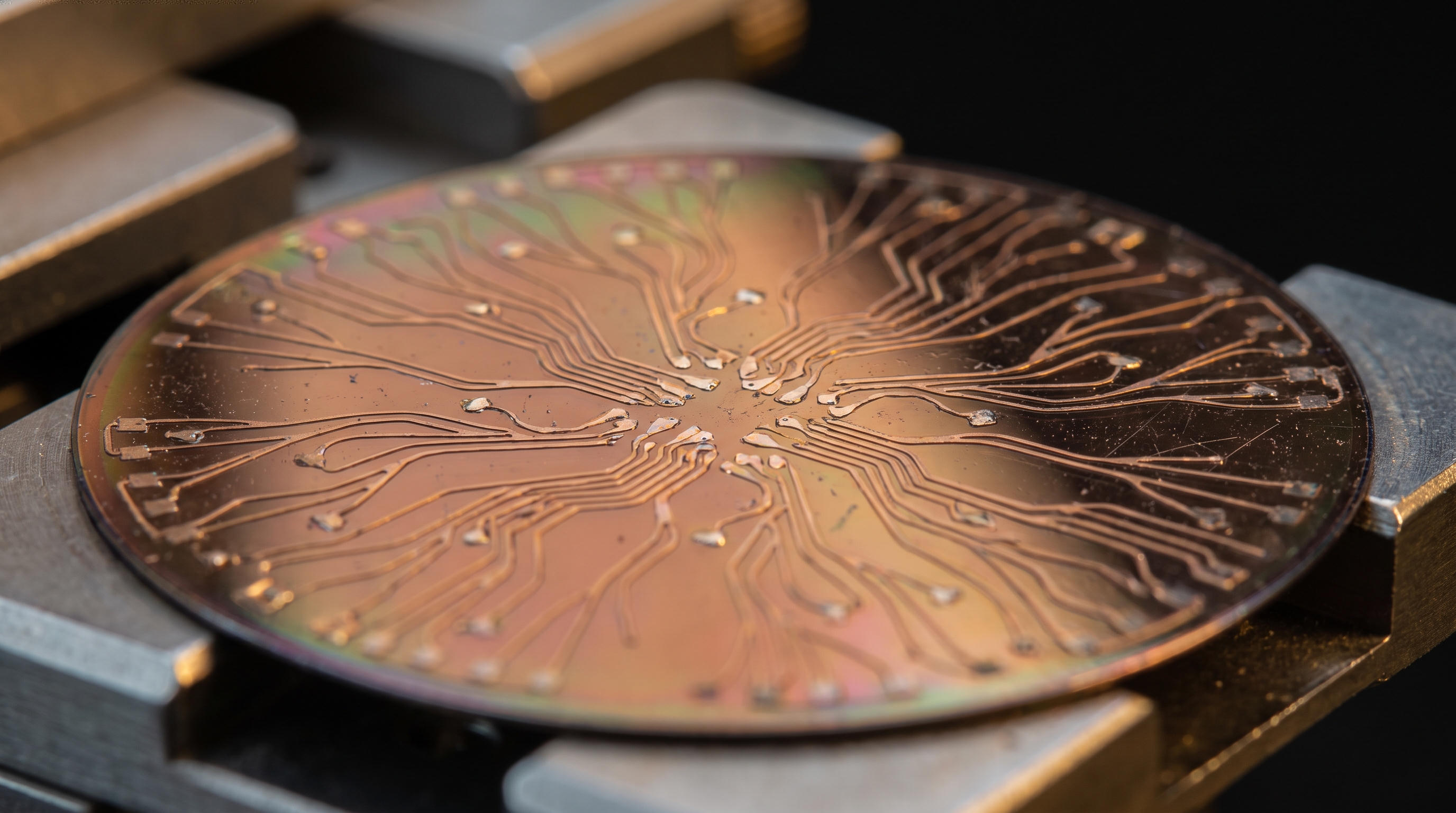
A physical electronic element engineered to reproduce important properties of a biological neuron — integrating inputs and firing when a threshold is crossed.
An adaptive connection whose physical state changes with activity. It stores its own weight — memory and computation in a single device.
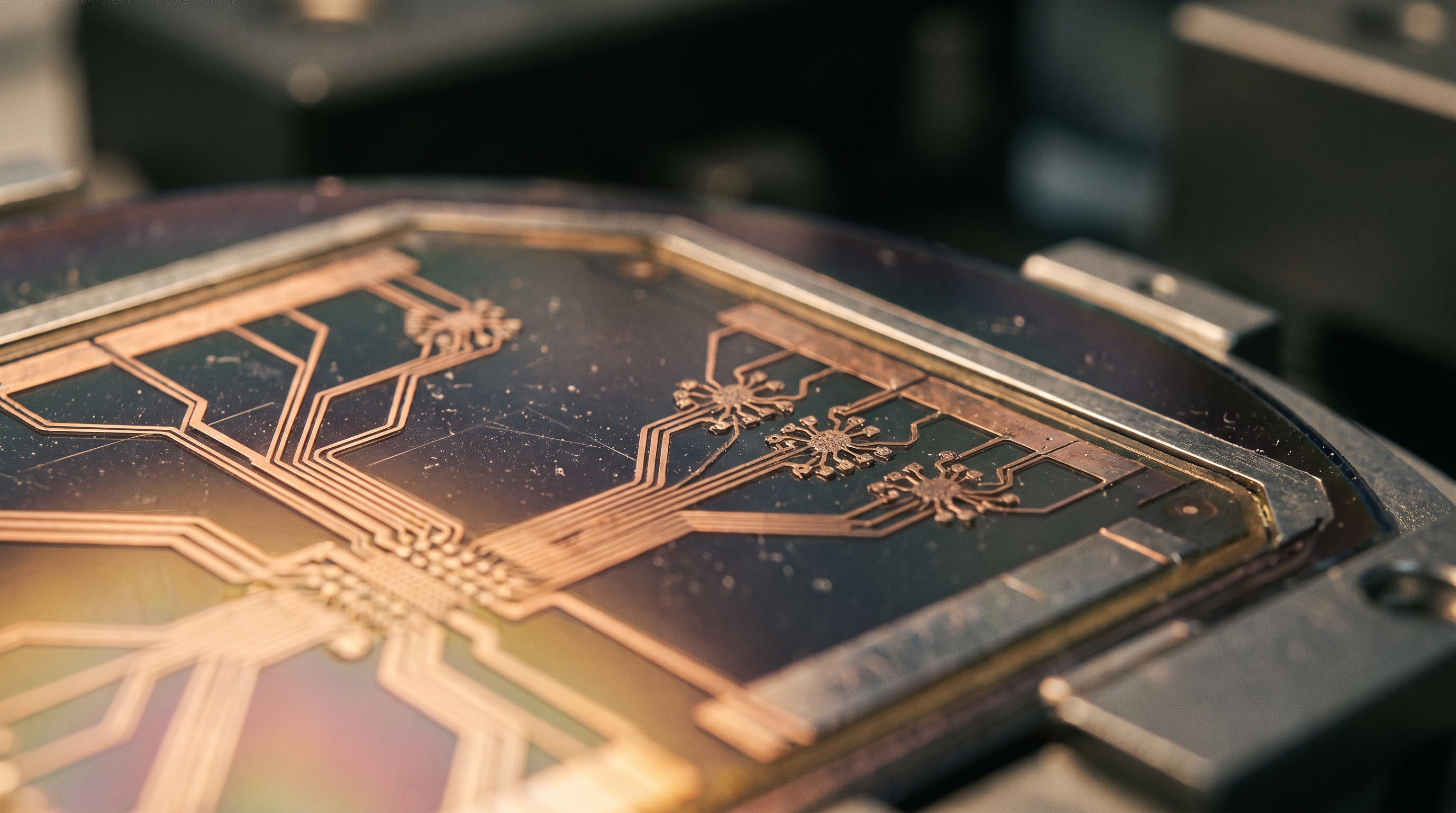
Neurons and synapses interconnected across a semiconductor fabric. Computation, memory and adaptation emerge from the physical architecture itself.
Imagery and diagrams are illustrative representations of engineered structures, shown for concept communication.
The reference design
A biological nervous system is not software. It is physical architecture — where memory, computation and adaptation are built into the same material. That is the design principle we are translating into engineered devices.
“Biology solved the architecture. Our task is to build it from materials we can manufacture.”
The convergence
Synthetic Brains sits at the intersection of multiple rapidly evolving disciplines.
The long-term vision
“When intelligence lives in the hardware, it can go everywhere hardware can go.”
The long-term vision is not to reproduce a human brain device by device.
The goal is to build a physical neural substrate — efficient enough, adaptive enough and small enough to bring learning directly into the machines around us.
Potential long-term applications
A possible trajectory — illustrative, not a promise
“Intelligence becomes an engineered material.”
Illustrative research horizon, highly uncertain. These dates are not predictions or promises.
The people
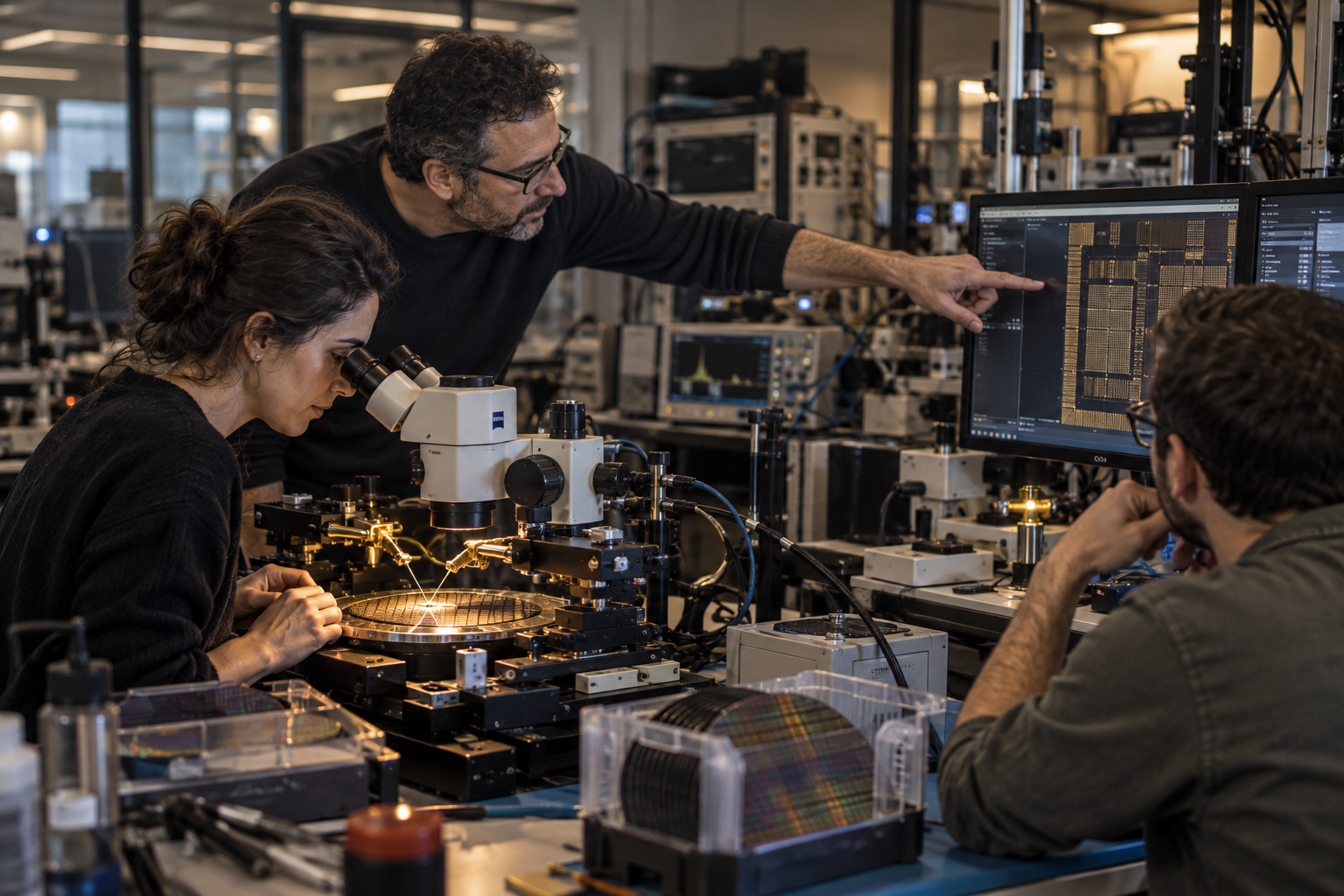
Neuroscience, device physics and semiconductor engineering: the three disciplines synthetic neural hardware demands, under one roof in Tel Aviv.
For investors & partners
The largest technological shifts rarely begin with a finished product. They begin with a question that eventually becomes an industry.
Synthetic Brains is building synthetic neural hardware at the intersection of neuroscience, microelectronics and material science — a new substrate for intelligent machines.
Why this could matter
These represent potential future defensibility, not claims of an existing competitive moat.
Research principles
Synthetic Brains is a forward-looking research concept. The technologies described represent areas of investigation and long-term research direction, not claims of completed scientific achievement.
Questions worth building for
What if a neuron could be a physical device, not a line of code?
What if a synapse could hold its own memory?
What if computation and memory lived in the same material?
What if a network could learn without being reprogrammed?
What if intelligence could be fabricated, wafer by wafer?
What if the next leap in AI isn't a larger model?
What if it is a new kind of machine?
A human purpose
The objective is not to replace human intelligence. It is to build a new substrate for machine intelligence — efficient and adaptive enough to expand what humanity can discover, create and solve.
We think it starts on a lab bench, not in a data center. Come build it with us.
Thanks, there. We'll be in touch soon.